Why translated risk frameworks fail in Central Asian banks
Frameworks imported from European parent institutions describe a business model, a regulatory environment and a risk profile that do not match the market they land in.
Coming soonRisk, compliance and AI governance
Nazor.ai helps financial institutions and humanitarian organisations find the exposures their frameworks were never built to catch — in operations, in compliance, and in technology arriving faster than the controls around it.
Whether it is a bank adopting a new payment rail or an aid programme running cash transfers across a border, the same gaps recur.
Imported from a parent institution, a corporate standard or a donor template, the framework describes an organisation that isn’t yours. It passes review and catches nothing.
Vendor models, payment processors, the partner an operation relies on to reach people. Adopted quickly, critical to delivery, and assessed once if at all.
Assessments run because they are required. They record the risks already known, rarely change a decision, and offer no help on the day something goes wrong.
Two sectors, and genuine depth in both — twenty years in risk across commercial banking and international humanitarian assurance.
Institutions that have modernised faster than their frameworks — new rails, new vendors, AI in the decision path — answering to supervisors whose expectations keep rising.
Organisations delivering in difficult environments with less funding and the same obligations, where a compliance failure costs the grant and the operation behind it.
Registered and operating in Uzbekistan. Expanding by following the work rather than announcing it first.
Home market. The firm is registered in Tashkent and delivers engagements here directly, with no intermediary.
Engagements across the region, with local registration once an engagement is signed rather than ahead of demand.
Most of the twenty years were spent here, across banking and humanitarian operations. Engagements draw on that depth, with specialist experts brought in on a project basis where the work calls for it.
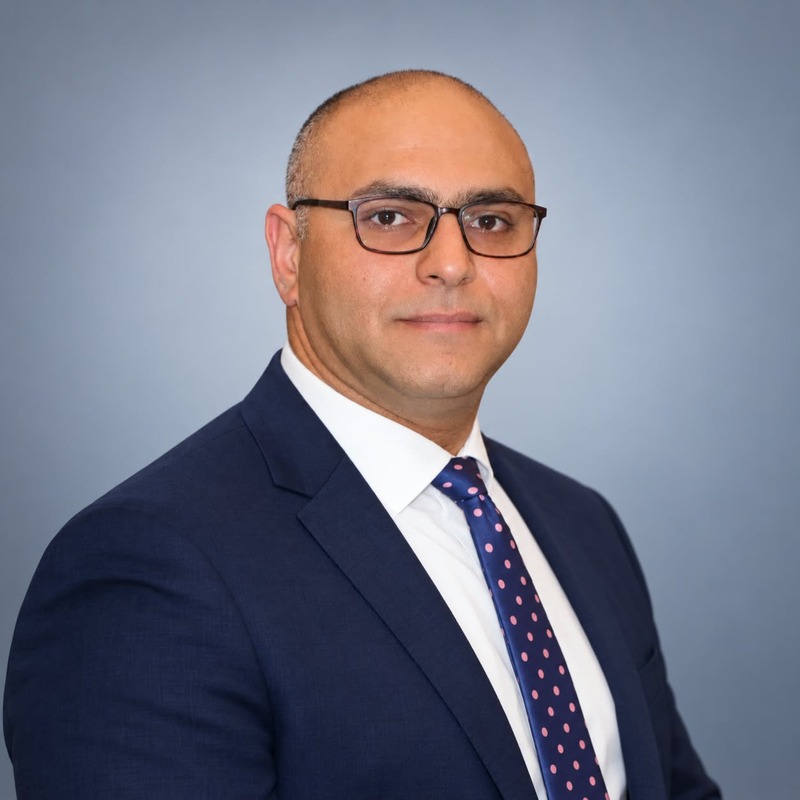
Every engagement is led personally by Mashal Sabti — not an account manager, and not a team of consultants two years out of university. Where the scope needs specialist depth, experts join on a project basis.
Twenty years in risk and compliance, across commercial banking and international humanitarian assurance. Seven of them at Standard Chartered across two periods, the second ending as Head of Governance and Control after leading consumer banking operations and technology risk. Then a risk function built from nothing at Egyptian Arab Land Bank, operational risk across branches and subsidiaries at Jordan Ahli Bank, and two years of independent consulting and training.
The humanitarian side began with regional internal audit at ACTED and continued at World Vision, leading risk and compliance across the Jordan, Syria and Türkiye response. Most recently, Risk and Assurance Manager at the ICRC — regionally across the Near and Middle East, then for Afghanistan from a base in Uzbekistan — in contexts where a control failure could cost access to the people the operation exists to reach.
An MBA in finance from New York Institute of Technology grounds the financial side of the work. A law degree, and a master’s in international commercial law and technology at the University of Manchester, are why the advice also covers where liability actually sits — in the contract, the vendor agreement and the regulation — and not only where the control gap is.
Education
Certification
Most begin with a scoped assessment. It tells both of us whether the larger piece of work is worth doing.
An hour on what you are facing. If the answer is that you do not need outside help, that is a legitimate outcome and I will say so.
Scope, deliverables, team and timeline, agreed in writing before any work starts. No scope that expands after signature.
On site with your teams. Document review, process walkthroughs, control testing and interviews — because the risk that matters rarely appears in the documentation.
What was found, ranked by exposure, with the trade-offs made explicit and remediation sequenced by what is urgent and what is achievable.
Recommendations that sit in a report change nothing. Continued support is available where you want the work embedded rather than delivered.
Writing on risk, regulation and emerging technology in Central Asian and frontier markets.
Frameworks imported from European parent institutions describe a business model, a regulatory environment and a risk profile that do not match the market they land in.
Coming soonScoring and fraud tools arrive through procurement, not through risk. By the time anyone in risk is asked about them, they are already making decisions.
Coming soonWhat donors expect, what field reality allows, and how to build a control set that survives both an audit and an operating environment that changes weekly.
Coming soonAnnouncements, engagements and speaking.
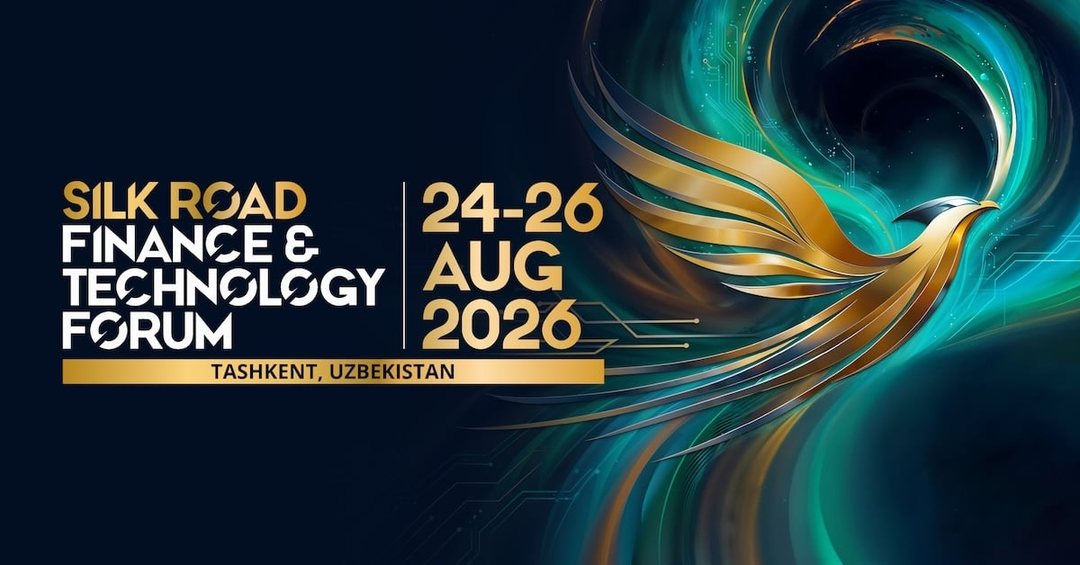
Mashal Sabti attended the inaugural Silk Road Finance & Technology Forum in Tashkent on behalf of Nazor.ai.
The forum was co-organised by the Central Bank of the Republic of Uzbekistan and the Global Finance & Technology Network, and co-hosted by Ant International. It brought together 8,500 delegates from 77 countries across policy, banking, investment and technology.
The programme covered cross-border payments, digital assets, AI, next-generation transactions and financial sector innovation — all directly relevant to the risks Nazor.ai works on.
Attending keeps the practice close to what is actually changing in the region: the emerging risks, the regulatory priorities, and where supervisory attention is moving next.
Read the official forum report →The firm is registered in Tashkent and open for engagements with financial institutions and humanitarian organisations across Uzbekistan and the wider region.
Tell me what you are dealing with — a framework that is not working, a system nobody can explain, a disruption nobody has planned for, a supervisory finding, a donor audit coming. The first conversation carries no obligation.